
ividual tension. A larger blanket or a dense stitch pattern generally requires more yarn than a smalThe Starfish Crochet Baby Blanket Pattern is a charming project for anyone who loves handmade baby gifts, ocean-inspired designs, and cozy crochet creations. With its beautiful starfish shape, soft texture,
and delicate stitches, this blanket brings a touch of seaside magic to a nursery while providing a comfortable layer for a little one’s everyday moments. Whether you are preparing a thoughtful baby shower present, decorating a coastal-themed nursery, or expanding your collection of handmade crochet projects, this pattern offers an inspiring way to combine creativity and practicality.
One of the most appealing features of a starfish crochet baby blanket is its distinctive appearance. Unlike traditional rectangular blankets, a starfish-inspired design can feature five gently pointed arms that spread outward from a central section, creating a playful silhouette reminiscent of the ocean. Depending on your preferred style, you can choose soft pastel shades, natural cream, sandy beige, ocean blue, or a combination of complementary colors. The finished piece can become a memorable handmade keepsake that reflects the care and attention invested in every stitch.
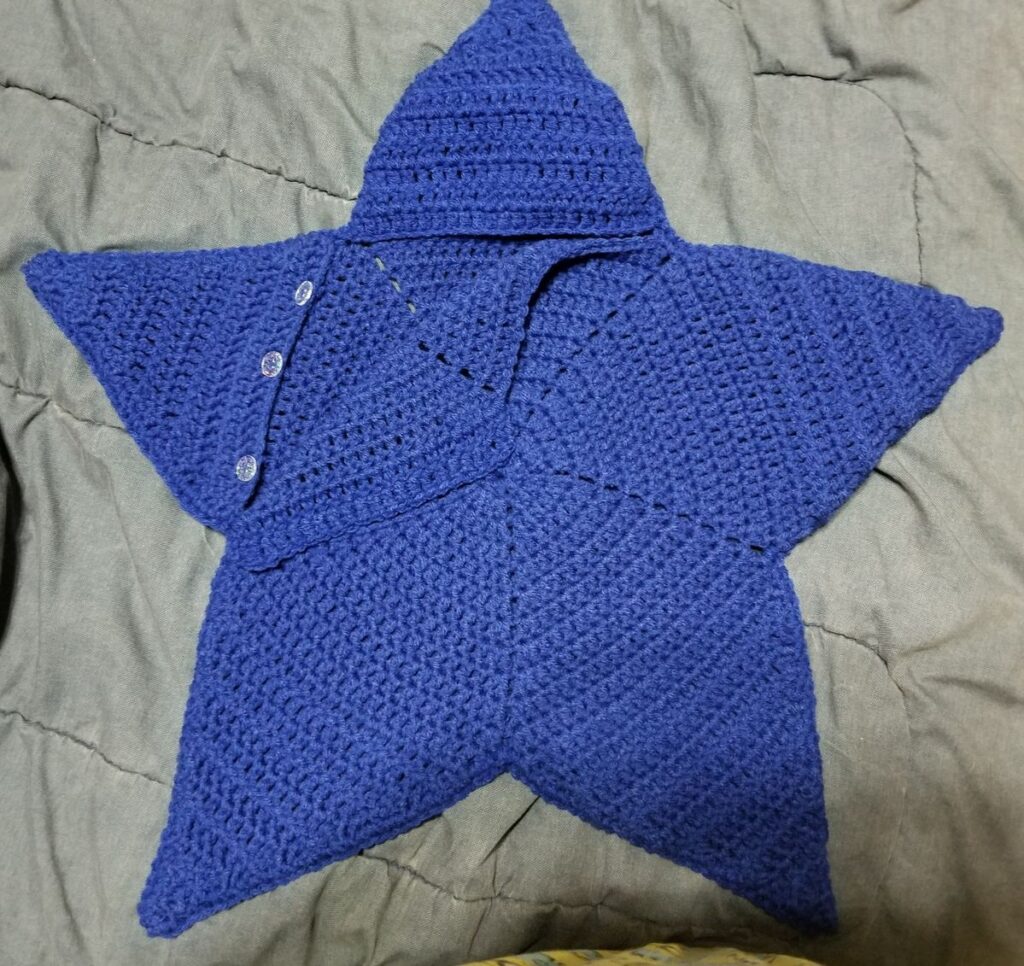
This Starfish Crochet Baby Blanket Pattern can be adapted to different skill levels, making it an enjoyable option for crocheters who want to practice shaping, stitch consistency, and color coordination. Beginners can start with simple stitches and work gradually toward a recognizable starfish silhouette, while experienced crocheters can experiment with textured stitches, decorative borders, and subtle color changes. In this guide, you will learn how to choose suitable materials, understand the construction of a starfish-shaped blanket, follow a practical step-by-step approach, and finish your project with a polished appearance. The instructions describe an adaptable design rather than a standardized commercial pattern, so your final dimensions and stitch counts will depend on your yarn, hook, gauge, and chosen construction method.
Materials and Preparation for a Starfish Crochet Baby Blanket Pattern
Before beginning your Starfish Crochet Baby Blanket Pattern, gather the materials you need to create a soft, attractive, and manageable project. Choose baby-friendly yarn with a smooth texture and a weight appropriate for the design. DK or light worsted yarn can work well for a relatively lightweight blanket, although other yarn weights may be suitable when you adjust the hook size and dimensions. A consistent yarn thickness helps create an even fabric and makes shaping the starfish easier to control.
Selecting the right yarn color is an important part of the creative process. Cream, ivory, pale blue, seafoam green, dusty pink, and soft lavender are lovely choices for a peaceful nursery aesthetic. For a more realistic ocean-inspired appearance, consider combining sandy neutrals with shades of turquoise or blue. If you prefer a minimalist look, a single solid color can highlight the starfish outline without distracting from the stitch texture. Remember that color changes should complement the overall design rather than make the fabric unnecessarily thick.
Your crochet hook should match the yarn label’s recommendations and the fabric you want to produce. A hook that is too small may create a stiff blanket, while a hook that is too large may leave open spaces between stitches. Make a small gauge swatch before starting the main project, especially if you plan to use a particular set of dimensions. The goal is to achieve a flexible, even fabric with no unexpectedly large gaps or tight, uncomfortable sections.
You will also need sharp scissors, a yarn needle, stitch markers, and a measuring tape. Stitch markers are especially useful when creating the five arms of a starfish-shaped crochet blanket, because they help you identify increases, decreases, corners, and repeated sections. A notebook can also be helpful for recording the number of stitches in each round or row. Keeping written notes makes it easier to reproduce the same shaping on each arm and correct small inconsistencies before they become noticeable.
For a baby blanket, pay particular attention to yarn care instructions and material suitability. Soft, washable yarn is generally practical because baby textiles require frequent cleaning. Look for fibers that maintain their shape after washing and follow the manufacturer’s instructions for temperature, drying, and handling. Avoid decorative components that could detach, such as buttons, beads, or loose embellishments. A clean, securely finished crochet surface is usually the best choice for a baby-oriented project.
Before you begin, decide how you want the starfish to be constructed. One approach is to crochet a central section and develop five arms through carefully planned increases and decreases. Another approach is to create separate sections and join them into a starfish silhouette. The first method can produce a more continuous fabric, while the second allows greater control over individual sections. For this adaptable Starfish Crochet Baby Blanket Pattern, the central-section method is a useful starting point because it encourages consistent shaping and reduces the need for joining multiple pieces.
Step-by-Step Instructions for Crocheting the Starfish Shape
THE BEST CROCHET PATTERN
➔
Begin your Starfish Crochet Baby Blanket Pattern by making a small center that will serve as the foundation of the starfish. Depending on the construction you choose, you may begin with a magic ring or a short foundation chain joined into a loop. Work a group of stitches into the center, following the stitch count appropriate for your selected yarn and hook. Keep the center flat as you work, because excessive increases can make the fabric ruffle, while too few increases can cause it to curl inward.
For a simple texture, single crochet or half double crochet can create a compact, comfortable fabric. Double crochet produces a more open and flexible result, which may be appropriate when the yarn and overall design support it. Choose one primary stitch for the center and maintain the same stitch height throughout the main section. Consistency is more important than complexity, particularly when you want the blanket to lie flat and feel comfortable against the skin.
Next, begin developing the five-pointed starfish silhouette. Imagine the center as the base from which five broad triangular sections will extend. Mark the intended position of each arm before you begin shaping, spacing the sections as evenly as possible around the center. The spaces between the arms form the inward curves that distinguish a starfish from a conventional five-pointed star. Plan these areas carefully so that the blanket has a balanced outline rather than five narrow spikes.
To shape each arm, gradually increase the width of the selected section as you work outward from the center. In a row-based construction, increases can be placed near the edges of each arm, while decreases or skipped stitches may help shape the spaces between adjacent arms. In a round-based construction, you can organize the increases around the central area and develop the five sections over successive rounds. The exact stitch placement will depend on your chosen layout, so check the shape frequently instead of relying on an untested universal stitch count.
As the arms grow, compare their lengths and widths. Count the stitches in corresponding sections, use markers to identify matching points, and measure the distance from the center to each outer tip. If one arm becomes longer or wider than the others, adjust the shaping before continuing. Small differences are easier to correct early than after the entire blanket has been completed. A balanced crochet starfish baby blanket should have a recognizable central area and five arms that look intentionally designed, even if the edges are gently rounded rather than sharply pointed.
Continue crocheting until the blanket reaches your desired size. For a compact decorative piece, you may prefer a smaller finished diameter, while a larger blanket will require more yarn and additional shaping rounds or rows. Measure across the widest points and compare the dimensions with your original plan. When the arms are nearly complete, work the final shaping carefully so the tips remain soft and rounded. Fasten off securely, weave in the yarn ends with a needle, and inspect the entire piece for missed stitches, loose strands, or uneven edges before moving on to finishing.
Finishing, Border Ideas, and Care for Your Crochet Baby Blanket
A thoughtfully finished edge can make your Starfish Crochet Baby Blanket Pattern look more professional and help define its distinctive shape. A simple single crochet border is an excellent option because it creates a neat outline without overwhelming the main design. Work evenly around the outside, adding enough stitches to keep the fabric flat while avoiding unnecessary fullness. At inward curves, use fewer stitches if needed; at outward points, place the stitches carefully so the edge follows the silhouette without pulling.
If you prefer a more decorative appearance, consider a subtle shell border or a row of contrasting stitches. A pale blue border around an ivory starfish can evoke the colors of the sea, while a cream edge around a pastel blanket creates a gentle, coordinated finish. Keep decorative details relatively simple so that the starfish shape remains the main feature. When selecting a border stitch, test a small section first and check whether the fabric still lies flat.
Blocking can help improve the final appearance of your crochet work. Depending on the fiber, gentle washing and careful shaping may be enough to even out the arms and smooth the outer edge. Arrange the blanket on a clean, suitable surface and shape the five points symmetrically while the fabric is damp, if the yarn care instructions permit this method. Avoid excessive stretching, high heat, or techniques that could damage the fibers. Acrylic, cotton, wool, and blended yarns may respond differently, so follow the yarn manufacturer’s recommendations.
Before using or gifting the blanket, inspect its construction carefully. Check the center, the tips of all five arms, the border, and every place where you fastened off or joined yarn. Make sure that no long strands remain loose and that the fabric has no holes caused by accidental skipped stitches. If you notice a weak area, repair it before washing or presenting the blanket. Careful finishing is an important part of making a handmade item durable and attractive.
Proper washing and storage help maintain the appearance of your handmade starfish baby blanket. Follow the yarn label’s instructions, use an appropriate detergent, and avoid washing methods that could cause shrinking, stretching, or fiber damage. If machine washing is permitted, consider a gentle cycle and a suitable laundry bag. Dry the blanket according to the recommended method, reshape the arms when necessary, and store it in a clean, dry place away from excessive moisture and direct sunlight.
Finally, remember that a beautiful baby blanket must also be used appropriately. Although a crochet blanket can make a thoughtful gift, loose fibers, openings, and decorative elements require attention, and blankets should not be placed in an infant’s sleep space. Keep the blanket away from an unattended sleeping baby and follow current safe-sleep guidance. For young infants, use it only in suitable supervised situations, such as a decorative nursery display or a supervised awake-time activity, and remove it whenever it could cover the baby’s face or interfere with breathing. These precautions allow you to appreciate the craftsmanship while prioritizing the child’s safety.
Design Variations, Common Mistakes, and Helpful Crochet Tips
One of the best features of the Starfish Crochet Baby Blanket Pattern is its flexibility. You can make the project more traditional with a solid cream center and matching arms, or introduce gentle color transitions that resemble the changing shades of the ocean. A gradient from pale aqua to deeper blue can create a visually interesting effect without requiring complicated stitches. If you prefer a cheerful nursery accessory, alternating pastel shades across the five arms can emphasize the starfish silhouette and make each section distinctive.
Texture is another way to personalize your design. A blanket worked entirely in single crochet has a compact, consistent appearance, while half double crochet offers a slightly taller fabric with a pleasant texture. You may also use simple raised stitches in selected sections to add visual interest. Before incorporating a textured stitch throughout the blanket, make a swatch and evaluate its thickness, flexibility, and appearance. Textures that create very large openings or excessive bulk may not be suitable for every baby blanket design.
One common mistake is adding too many increases around the center. When this happens, the fabric may develop waves or ruffles instead of lying flat. If the center begins to ripple, review the increase frequency and compare it with the yarn weight and hook size. Another common issue is insufficient shaping, which can make the blanket curl or pull inward. A gauge swatch, periodic measurements, and consistent stitch counts can help you identify these problems before they affect the finished piece.
Uneven arms are another challenge when making a five-point starfish crochet blanket. It is easy to add an extra row to one section or accidentally change the number of stitches near an outer tip. Use markers, record your progress, and compare matching sections regularly. If you notice a difference, pause and determine whether the issue comes from stitch count, tension, or the placement of increases and decreases. Correcting the cause is usually more effective than trying to disguise the difference with a border.
Yarn quantity depends on the finished dimensions, stitch pattern, yarn weight, hook size, and individual tension. A small, tightly stitched starfish may require considerably less yarn than a large, textured blanket. To estimate your needs, make a representative swatch, weigh it, calculate the approximate area of the finished design, and allow extra yarn for borders and shaping. Buying sufficient yarn from the same dye lot can also help prevent subtle color differences between skeins.
If you are making the blanket as a gift, consider preparing a simple care label that identifies the fiber content and recommended washing method. You can also keep a record of the yarn color, hook size, and approximate measurements for future projects. These small details make the gift more practical and help you reproduce the design if you decide to crochet a matching nursery accessory later. Above all, enjoy the process: the beauty of a handmade starfish crochet baby blanket comes from both its distinctive shape and the care invested in creating it.
Frequently Asked Questions About the Starfish Crochet Baby Blanket Pattern
1. Is the Starfish Crochet Baby Blanket Pattern suitable for beginners?
Yes, an uncomplicated version can be suitable for beginners who understand basic crochet stitches, counting, and fastening off. The most challenging part is creating five balanced arms and maintaining smooth curves between them. Starting with a small swatch, using stitch markers, and checking the shape regularly can make the process easier. Beginners may find it helpful to practice the central section and one arm before completing the entire blanket.
2. What type of yarn is best for a starfish crochet baby blanket?
Soft, washable yarn designed for baby projects is a practical choice. DK or light worsted yarn can provide a comfortable balance between stitch definition and flexibility, but other weights may work if you adjust the hook and dimensions. Always check the manufacturer’s care instructions and select a yarn that produces a smooth, stable fabric. The best option is one that suits your design, is easy to maintain, and does not create an excessively stiff or open texture.
3. What size should a starfish crochet baby blanket be?
There is no single required size for a starfish-shaped blanket. The ideal dimensions depend on whether you want a small decorative piece, a lap-sized blanket, or a larger textile for supervised awake-time use. Measure across the widest points of the five arms and record the distance from the center to the tips. Planning the dimensions before crocheting helps you estimate the amount of yarn and maintain balanced proportions.
4. How do I keep all five starfish arms the same size?
Use stitch markers to identify the beginning and end of each arm, and record the number of stitches and rows in corresponding sections. Measure the arms periodically instead of waiting until the blanket is finished. Consistent tension also makes a difference, because tighter stitches can shorten a section even when the stitch count is correct. If one arm becomes noticeably different, correct the shaping before continuing.
5. Can I crochet this blanket in different colors?
Absolutely. Solid colors create a classic appearance, while pastel combinations produce a soft nursery style. Shades of blue, turquoise, cream, and sand can create a coastal theme, and gentle gradients can add depth. You can also use a contrasting border to emphasize the outline. Plan color changes in advance and weave in all yarn ends securely to maintain a tidy finish.
6. How much yarn do I need for this crochet pattern?l, lightweight version. Make a swatch using your planned stitch and hook, weigh it, and use the result to estimate the yarn needed for the main project. Purchase a little extra to accommodate the border, shaping, and finishing.
7. Why is my crochet starfish blanket curling or becoming wavy?
Curling can happen when the fabric does not have enough increases, while excessive increases may cause the center or arms to ruffle. Uneven tension and inconsistent shaping can also affect the finished outline. Review your stitch counts, check whether your hook suits the yarn, and compare the fabric with your gauge swatch. Small adjustments made early can help the blanket lie flatter.
8. What is the easiest border for a starfish-shaped blanket?
A single crochet border is a simple and versatile choice. It creates a neat outline and can help unify the appearance of the five arms without adding excessive decoration. The key is to place stitches evenly around the outer edge, adding or reducing stitches where necessary to follow the curves. Test the border on a small section first to make sure it does not pull or ruffle.
9. Can I wash a handmade starfish crochet baby blanket in a washing machine?
That depends on the yarn. Some cotton and acrylic yarns are machine washable, while certain wool fibers and specialty blends require gentler care. Always follow the yarn manufacturer’s instructions and use a suitable washing method. If machine washing is allowed, a gentle cycle may help protect the fabric. Reshape the five arms during drying if needed, and avoid heat that could damage or distort the fibers.
10. Is a crochet starfish blanket safe for a newborn to sleep with?
A crochet blanket should not be placed in a newborn’s or young infant’s sleep space. Loose fibers, fabric openings, and the possibility of the blanket covering the face create safety concerns. Follow current safe-sleep recommendations and keep blankets out of the infant’s sleeping area. Your handmade creation can instead serve as nursery decor or be used during appropriate supervised awake-time activities, with the blanket removed whenever it could interfere with breathing.
Conclusion
The Starfish Crochet Baby Blanket Pattern offers a creative way to make a memorable handmade piece inspired by the beauty of the ocean. By selecting suitable yarn, choosing an appropriate hook, planning the central section, and shaping five balanced arms, you can create a distinctive design that reflects your personal style. Simple stitches, careful measurements, and consistent tension are the foundations of a successful result, while a neat border and proper finishing give the blanket a polished appearance.
Throughout the project, remember to check your stitch counts, monitor the shape, and follow the yarn manufacturer’s care instructions. Color choices, subtle textures, and decorative borders can help you customize the design without making it unnecessarily complicated. Most importantly, choose baby-appropriate materials and use the finished blanket in a way that follows safe-sleep guidance.
Have you tried a Starfish Crochet Baby Blanket Pattern, or are you planning to make one for a special occasion? Please share your honest opinion, your favorite yarn colors, and any suggestions you would add to these instructions. Your feedback can inspire other crochet enthusiasts, help beginners learn from different experiences, and encourage new ideas for future handmade projects.