
The Small Christmas Sweater for Dogs Tutorial is a wonderful way to create a cozy, festive outfit for your furry friend while enjoying a relaxing crochet project. Handmade dog sweaters are perfect for celebrating the holiday season, taking adorable Christmas
photographs, and adding a personal touch to your pet’s winter wardrobe. With a little yarn, a crochet hook, and some patience, you can make a charming sweater that combines comfort, creativity, and seasonal style.
Creating a small crochet Christmas sweater for dogs is also an excellent project for beginners who want to practice basic crochet techniques. You can experiment with traditional Christmas colors, including red, green, white, and cream, or choose a playful combination that reflects your dog’s personality. The best part is that you can customize the length, width, neckline, and decorative details to achieve a better fit for your pet.
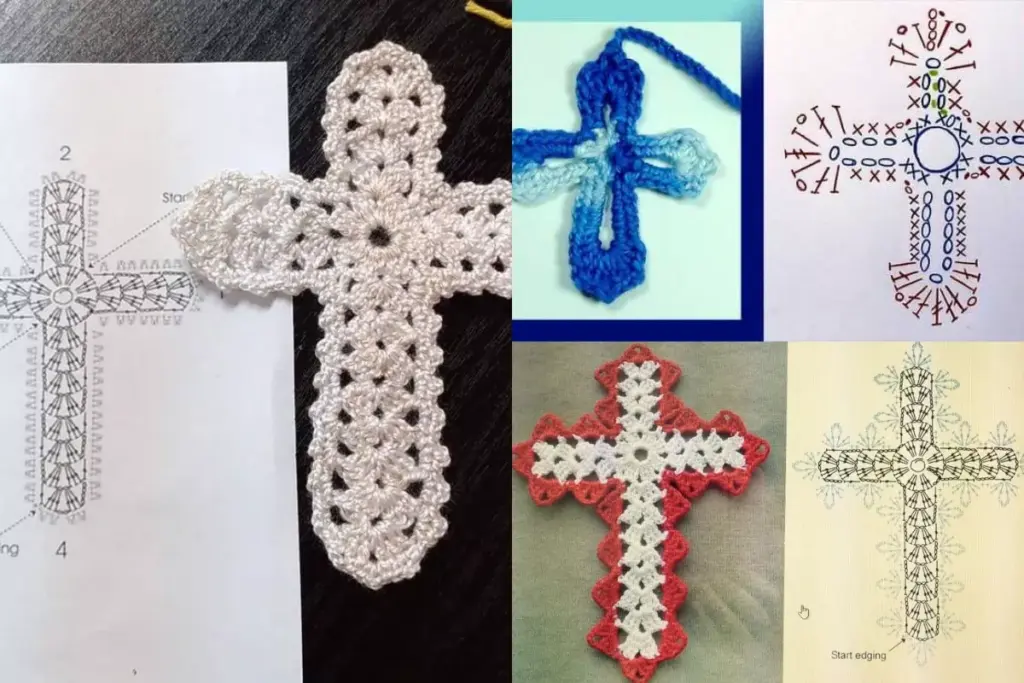
In this guide, you will learn how to plan, crochet, assemble, and decorate a small dog sweater step by step. Although the main topic is the Small Christmas Sweater for Dogs Tutorial, we will also explore how the keyword How to Crochet a Cross in Crochet – FREE PATTERN relates to handmade Christmas decorations and optional sweater embellishments. You will discover practical tips for choosing suitable materials, measuring your dog, adjusting the pattern, and creating a festive accessory that is attractive, comfortable, and easy to care for.
Materials, Measurements, and Preparation for a Small Christmas Dog Sweater
Before beginning your small Christmas sweater for dogs, gather all the materials you need. Preparation helps you maintain consistent stitches and reduces the chance of having to unravel large sections later. For a basic sweater, you will need soft yarn, a suitable crochet hook, scissors, a yarn needle, and a measuring tape.
Choose a soft, washable yarn that feels comfortable against your dog’s coat. Acrylic yarn is a practical option because it is widely available and generally easy to maintain. A smooth yarn also makes it easier to see individual stitches, which is especially helpful for beginners learning to crochet their first pet garment.
For a festive appearance, consider using medium-weight yarn in red as the main color, with white for the neckline and green for decorative accents. You can also reverse these colors or create a simple striped design. Avoid yarn that sheds excessively, has loose fibers, or creates long loops that could catch on your dog’s nails or collar.
A crochet hook that matches the yarn label is a good starting point. The exact size will depend on your chosen yarn and how tightly you crochet. Make a small gauge swatch before starting the sweater. If the fabric feels too stiff, try a larger hook; if the stitches are too loose, a smaller hook may produce a more suitable fabric.
Accurate measurements are essential for a comfortable crochet dog sweater pattern. Measure your dog’s neck circumference, chest circumference at its widest point, and back length from the base of the neck to the desired sweater hem. Also check the distance between the front legs to help position the leg openings correctly.
Never rely on a generic small-dog size alone. Two dogs of the same weight may have different body shapes, so measurements provide a more useful guide. The sweater should allow natural movement, leave room for breathing, and avoid pressure around the throat, chest, and armpits.
Step-by-Step Small Christmas Sweater for Dogs Crochet Pattern
For this beginner-friendly design, you will create a simple body panel and join it into a sweater with openings for the front legs. The measurements and stitch counts below are adjustable guidelines rather than fixed sizing instructions. Your dog’s measurements and your crochet gauge will determine the final dimensions.
Abbreviations used in this pattern:
- ch: chain stitch
- sl st: slip stitch
- sc: single crochet
- hdc: half double crochet
- st: stitch
- inc: increase, working two stitches into the same stitch
- BLO: back loop only
Step 1: Create a gauge swatch. Chain approximately 15 stitches and work several rows of single crochet or half double crochet. Measure the finished fabric and calculate how many stitches fit into one inch or centimeter. This information helps you estimate the number of stitches required for your dog’s chest and back.
Step 2: Crochet the main body panel. Using your primary Christmas color, chain enough stitches to create a panel that corresponds to the measured back width. Work in half double crochet rows until the panel reaches the desired length from the base of the neck toward the tail. Keep the fabric flexible rather than overly tight.
Step 3: Shape the neckline. At the beginning of the panel, create a comfortable neckline by working a few shorter rows or leaving an appropriate opening, depending on your chosen construction. Check the dimensions against your dog’s neck measurement. The opening should slide on comfortably without stretching excessively or putting pressure on the throat.
Step 4: Make room for the front legs. The simplest construction uses a body panel with openings created along the sides during assembly. Fold or position the panel around your dog’s body and mark where the front legs naturally fall. Join the fabric above and below those positions, leaving the marked spaces open. Try the garment on briefly to check the placement before completing the seams.
Step 5: Add a chest section if needed. Some dogs need additional coverage beneath the chest. Crochet a separate rectangular panel using single crochet or half double crochet and attach it to the underside of the sweater. Keep the panel short enough to avoid interfering with urination, and make sure it does not restrict the front legs.
Step 6: Finish the body and edges. Work a row of single crochet around the neckline, leg openings, and lower edge. This creates a neat finish and helps the fabric hold its shape. Do not make these borders too tight. A firm edge is useful, but the openings must remain comfortable when your dog moves.
Step 7: Add the Christmas colors. Introduce white or green yarn for stripes, a contrasting neckline, or a decorative hem. You can create simple color changes by completing the final yarn-over of the previous stitch with the new color. Secure yarn ends carefully and weave them into the fabric so they cannot easily unravel.
Step 8: Check the fit. Before adding decorations, gently test the sweater on your dog under supervision. Confirm that your pet can walk, sit, lie down, and turn naturally. If the neckline is too tight or the leg openings rub, adjust the relevant section before finishing the project.
The resulting small crochet dog sweater can be kept simple or personalized with additional colors. Beginners should focus on a comfortable fit and consistent stitches before attempting complicated motifs or elaborate edging.
Christmas Decorations, Crochet Cross Motifs, and Personalization Ideas
Once the basic sweater is complete, you can turn it into a festive handmade garment with carefully chosen decorations. Classic red-and-white stripes, green borders, and small snowflake-inspired motifs all work well. The key is to keep embellishments lightweight and securely attached so they do not interfere with your dog’s comfort.
The keyword How to Crochet a Cross in Crochet – FREE PATTERN describes a related crochet technique that can inspire a small cross-shaped motif for a Christmas craft project. A crocheted cross is traditionally made by forming a vertical section and a shorter horizontal section, then joining them into a simple shape. It can be used in suitable handmade decorations, ornaments, or accessories.
To make a basic crochet cross, begin with a short foundation chain and work single crochet stitches into it to create a narrow vertical strip. Continue until the strip reaches the desired length. Fasten off, leaving a yarn tail for joining, and create a second, shorter strip for the horizontal arm. Position the shorter strip across the upper-middle portion of the longer strip and sew the pieces together securely.
For a slightly thicker cross, work two rows of single crochet along each strip before joining them. Keep the edges even and use the same yarn weight for both pieces. You can use white yarn for a traditional appearance or a contrasting shade that complements your other Christmas crafts. The finished shape can be incorporated into an appropriate decorative project.
If you decide to add a cross motif to your small Christmas sweater for dogs, prioritize safety over appearance. Avoid loose, raised, or dangling decorations that your dog might chew or swallow. A safer alternative is to crochet the cross directly into the fabric using color changes, or embroider a small flat motif with securely woven yarn ends. Even flat decorations should be checked regularly for loose threads.
Other simple customization ideas include alternating red and green rows, a white neckline, a contrasting chest panel, or a subtle geometric design. You can also make matching accessories for family photographs, provided each item is suitable for its intended wearer. Keep the dog’s garment simple enough to remain comfortable throughout short, supervised periods of use.
The most successful handmade pet garments combine creativity with practicality. Rather than adding every available decoration, select one or two details that make the sweater special. A clean silhouette, even stitches, and thoughtfully chosen colors can create a beautiful DIY Christmas sweater for small dogs without making the project unnecessarily complicated.
Finishing, Fitting, Care, and Troubleshooting Your Crochet Dog Sweater
Finishing is an important part of making a durable crochet Christmas sweater for dogs. Use a yarn needle to weave each loose end through several stitches on the inside of the garment. Change direction at least once when securing an end, and avoid leaving long strands that might become caught in your dog’s nails or collar.
Inspect the seams before the first fitting. Gently stretch the fabric in different directions and check whether any joins loosen or create uncomfortable ridges. If a seam feels bulky against the skin, undo the affected section and rejoin it more neatly. Smooth seams are particularly important around the front legs, where repeated movement can cause friction.
Fit the sweater when your dog is calm and relaxed. Slide it on slowly, allowing your pet to become familiar with the fabric. Watch for signs of discomfort, including repeated scratching, freezing, attempts to remove the garment, unusual walking, or persistent licking around the edges. Remove the sweater if your dog appears uncomfortable.
A sweater should never restrict breathing, walking, or normal body movement. It should also stay clear of the dog’s face and avoid placing pressure on the neck. Do not leave a dressed dog unattended, especially when the garment has decorative elements, and remove the sweater if it becomes wet, tangled, or excessively warm.
For cleaning, follow the yarn manufacturer’s care instructions. Many acrylic projects can be gently washed, but the recommended temperature and drying method depend on the specific yarn. Use a mild detergent if appropriate, reshape the garment while damp, and allow it to dry completely before storing or using it again.
If the sweater stretches after washing, review the yarn label and consider a more supportive stitch pattern for your next project. If it becomes too tight, check whether the original gauge was too dense or the measurements were inaccurate. A small adjustment to the hook size, panel width, or leg openings can make a significant difference in the final result.
Troubleshooting common crochet problems
- The sweater is too narrow: Add stitches to the body panel or use a larger hook after checking your gauge.
- The sweater is too long: Remove a few rows or shorten the back panel to keep the hem away from the tail and hind legs.
- The leg openings rub: Increase the opening size and smooth the borders with a relaxed single crochet edge.
- The neckline feels tight: Rework the neckline with additional stitches or a stretchier border.
- The fabric feels stiff: Try a larger hook or a softer yarn with a suitable weight.
- The colors look uneven: Check your tension and complete each color change consistently.
Remember that the purpose of a small dog Christmas sweater pattern is to create a comfortable seasonal garment, not simply an attractive photograph. The best results come from taking accurate measurements, testing the fit, choosing suitable materials, and making adjustments whenever necessary.
Frequently Asked Questions About Small Christmas Sweaters for Dogs
1. Is this small Christmas dog sweater suitable for beginners?
Yes. The basic design uses common stitches such as chain, single crochet, slip stitch, and half double crochet. Beginners can start with a simple panel and add decorative details after learning how to maintain consistent tension. Taking measurements before crocheting is more important than using complicated stitches.
2. How much yarn do I need for a small dog sweater?
The amount depends on the dog’s measurements, yarn weight, stitch pattern, and desired coverage. A small, lightweight sweater may require considerably less yarn than a dense sweater with a chest panel and long back coverage. Check your gauge and purchase enough yarn to complete the project, including contrasting colors and finishing details.
3. What yarn is best for a crochet Christmas sweater for dogs?
Soft, washable yarn is generally a practical choice. Smooth acrylic yarn is popular because it is easy to find in festive colors and is often simple to care for. Choose a material that does not shed excessively, feels comfortable against the coat, and can be cleaned according to the manufacturer’s instructions.
4. Can I make this pattern for a larger dog?
Yes. You can adapt the design for a larger dog by changing the panel width, back length, neckline, and chest coverage. Use the dog’s actual measurements instead of simply multiplying the original stitch count. Make a gauge swatch first so that the finished garment has the intended dimensions.
5. How do I know whether the sweater fits correctly?
The sweater should sit comfortably around the body without squeezing the neck or chest. Your dog should be able to walk, sit, turn, and lie down normally. Check that the leg openings do not rub and that the lower edge does not interfere with the tail, hind legs, or bathroom needs.
6. Can I add a crocheted cross to the sweater?
Yes, but a flat motif worked directly into the crochet fabric or carefully embroidered with yarn is generally more practical than a raised attachment. The cross should have no loose ends or dangling pieces. Inspect the garment regularly and remove it if any part begins to loosen.
7. How can I make the sweater look more festive?
Use traditional Christmas colors such as red, green, white, and cream. Stripes, contrasting borders, and simple geometric motifs can create a festive appearance without adding unnecessary bulk. A neatly finished neckline and coordinated color changes often look more polished than numerous decorations.
8. Is it safe for my dog to wear a crocheted sweater all day?
Not necessarily. Dogs vary in their tolerance for clothing, and indoor temperatures can make a sweater uncomfortable. Use the garment for appropriate, supervised periods, monitor your dog’s behavior and body temperature, and remove it if your pet shows discomfort or becomes too warm.
9. How do I wash and store a handmade dog sweater?
Follow the yarn care instructions, wash gently when appropriate, and let the garment dry completely. Check for loose seams, stretched openings, and damaged yarn before each use. Store the sweater in a clean, dry place away from moisture and pests.
10. Can I sell dog sweaters made using this general pattern?
You can create handmade garments for personal use or explore selling your own finished crochet products, subject to any applicable legal requirements and the terms governing materials or designs you use. If you plan to sell the items, provide accurate sizing information, describe the materials honestly, and prioritize safe construction and comfortable fit.
Conclusion
The Small Christmas Sweater for Dogs Tutorial offers a practical introduction to making a festive, handmade garment for your pet. By choosing suitable yarn, measuring carefully, crocheting a simple body panel, shaping comfortable leg openings, and finishing every seam securely, you can create a personalized Christmas sweater that suits your dog’s size and shape.
We also explored how How to Crochet a Cross in Crochet – FREE PATTERN can inspire a simple crochet motif for suitable holiday crafts, while emphasizing that any decoration used on pet clothing must remain secure and comfortable. Remember to check the fit regularly, supervise your dog while the sweater is being worn, and remove the garment whenever it causes discomfort or overheating.
Most importantly, enjoy the creative process and feel free to experiment with colors, textures, and simple stitch patterns. Every handmade project is an opportunity to learn something new and develop your crochet skills. If you enjoyed this tutorial, please leave your honest opinion, share your favorite Christmas color combinations, and suggest any improvements or crochet projects you would like to see in a future guide. Your feedback can help make future tutorials even more useful for fellow crochet enthusiasts.